October 19, 2026
Bicycle Accident Lawyer Insights for Commuter Cyclist Accidents
By @holdensxof427
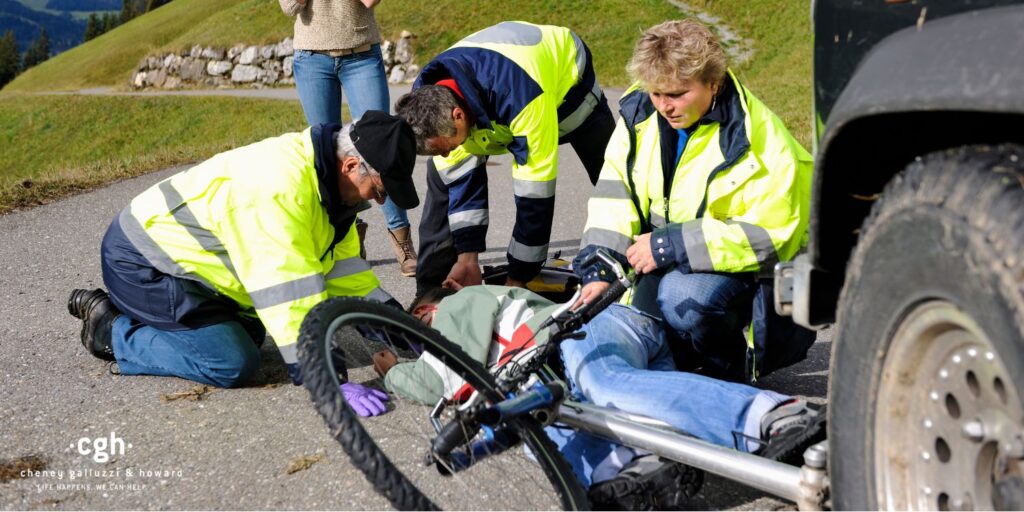
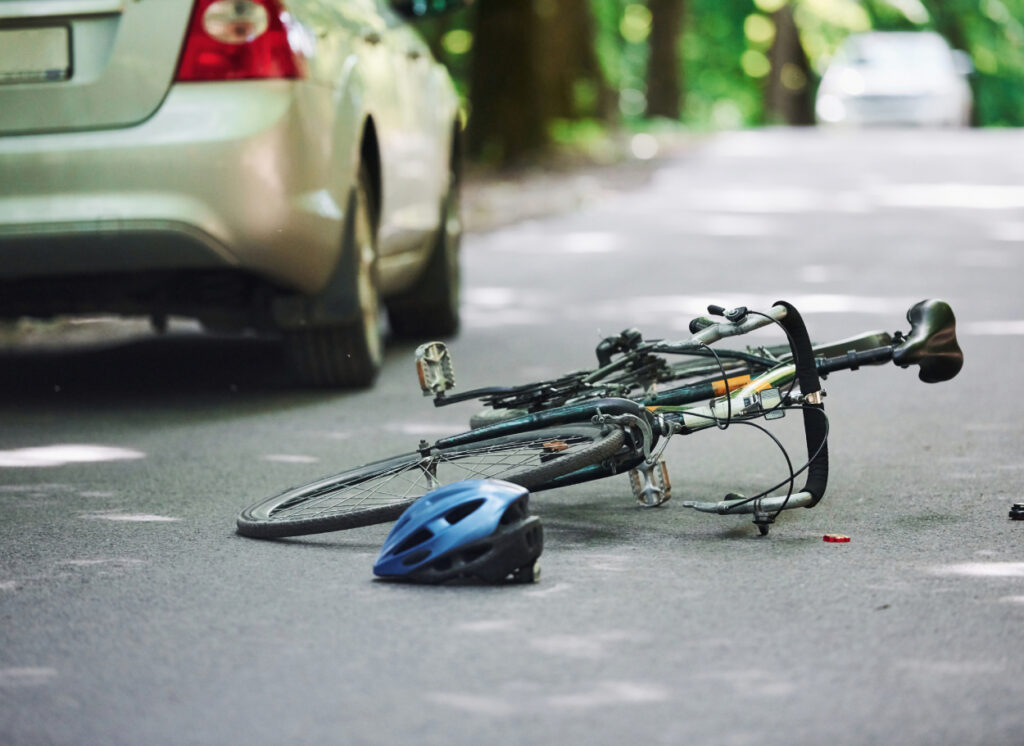
Commuter cycling sits in a strange legal and practical space. It is ordinary transportation, yet every crash tends to be treated like an unusual event. That gap matters. A rider heading to work at 7:45 a.m. Is not out for a weekend spin with a carbon race bike and a support crew. They are moving through traffic, often on familiar streets, carrying a laptop, a change of clothes, maybe groceries for the ride home. Their accidents happen in the flow of daily life, and that shapes both the injuries and the legal issues that follow.
A Bicycle Accident Lawyer who understands commuter cases sees patterns that are easy to miss if you only think in terms of sports injuries or generic car wrecks. Timing matters. Road design matters. Employer expectations matter. So does the rider’s route choice, the condition of the bike, the visibility at that hour, and whether a police officer wrote “cyclist appeared suddenly” without ever asking how long the rider had actually been in the lane. Commuter crashes rarely turn on one dramatic fact. More often, they turn on a cluster of ordinary details that, taken together, explain why the collision happened and who should bear responsibility.
Why commuter cyclist accidents are their own category
A commuter cyclist usually rides on repetition. Same corridor, same intersections, same trouble spots. That regularity creates useful evidence, but it can also create false assumptions. Drivers often say they “never saw” the cyclist, even on routes where riders are present every morning. Insurance adjusters sometimes imply that the cyclist took on extra risk by choosing to ride in traffic. That framing is not just unhelpful, it can be legally important. Using a bicycle as transportation is not negligence.
These cases also tend to involve rushed conditions. Peak commuting hours compress everyone’s margin for error. Drivers are turning across bike lanes to beat traffic. Delivery vans stop where they should not. Bus passengers step into bike lanes. Road crews leave rough pavement or steel plates in travel paths that might be inconvenient for a car but dangerous for a bicycle. A commuter may be riding defensively and still have little time to react.
The injury profile is different too. A rider can be back at their desk with a fractured wrist, a shoulder separation, or a concussion that becomes obvious only later in the day. That creates a recurring problem in claims: the early medical record may understate what happened because the rider initially prioritized getting home, getting the bike secured, or notifying work instead of seeking immediate care. An experienced lawyer knows how often that sequence occurs and how to present it without sounding evasive.
The collisions that show up again and again
The classic commuter crash is the right hook, where a driver passes and turns right across the cyclist’s path. It sounds simple until you unpack it. Was there a marked bike lane? Was the rider visible in the mirror for several seconds before the turn? Did the driver signal? Was there congestion that made the turn abrupt? In many right hook cases, the driver later says the cyclist “came out of nowhere,” when physical layout suggests the opposite.
Dooring claims are another staple of urban commuting. A parked driver or passenger opens a door into the rider’s path, often with almost no warning. These cases can look straightforward, but they still require careful proof. The location of the bike relative to parked cars, the width of the lane, local traffic laws, and whether the cyclist had room to avoid the door all affect liability analysis. Sometimes a second impact causes the worst harm, when the rider swerves to avoid the door and gets struck by a moving vehicle.
Left cross crashes are common at intersections, especially where a driver turns left and misjudges the cyclist’s speed. Drivers often assess bicycles poorly. They see the rider, but they do not process the bicycle as an approaching vehicle with a right to proceed. That distinction matters in testimony. “I saw him but thought I had time” is very different from “I never saw him.”
Then there are road defect cases, which many injured riders do not initially realize may involve a valid claim. Commuter cyclists are more vulnerable to potholes, drainage grates, uneven pavement, construction debris, and poorly designed lane transitions than drivers are. These cases are harder than vehicle negligence claims because they can involve notice requirements, governmental immunities, and disputes over whether the defect was unreasonably dangerous. Still, they should not be dismissed out of hand.
What a Bicycle Accident Lawyer looks for right away
The first days after a crash often decide whether a strong case stays strong. Evidence disappears fast in commuter collisions because the scene is public, busy, and quickly returned to normal use. Tire marks fade. Surveillance footage is overwritten. Witnesses go to work and become hard to find. Damaged clothing gets washed or discarded. The bike itself gets repaired before anyone photographs the bent fork or cracked helmet.
A capable Bicycle Accident Lawyer usually starts with three parallel tracks: liability, injury, and documentation of day to day disruption. Liability covers who caused the crash and how it happened. Injury means not just diagnosis, but timing, symptom progression, and treatment consistency. Daily disruption fills in the human reality that medical records often miss, such as missing meetings, being unable to carry a child, or losing the ability to commute independently.
One common mistake is treating the bicycle as an accessory rather than evidence. In reality, the bike can tell a detailed story. A mangled rear wheel may support a sideswipe account. Damage to brake hoods, pedals, or helmet shell can help reconstruct angle and force. Even ordinary commuter gear matters. Broken pannier mounts, a crushed front light, or scrape patterns on a rain jacket can align with a rider’s account better than memory alone.
Another early focus is route context. If the rider used a designated bike lane or a well known commuting corridor, that may strengthen the argument that the driver should have anticipated bicycle traffic. If the rider took the lane because the bike lane was blocked or unsafe, that detail needs to be documented promptly. What sounds controversial in a phone call with an insurer may sound entirely reasonable once the roadway is mapped and photographed.
The first week after a crash can shape the claim
A rider does not need to think like a litigator at the scene, but a few practical steps can preserve the truth of what happened. When health allows, these actions are worth taking:
- Get medical evaluation promptly, even if the pain feels manageable at first. Concussions, wrist fractures, and soft tissue injuries often become clearer within hours or days.
- Photograph the bicycle, helmet, clothing, the roadway, traffic controls, and any visible injuries before repairs or cleanup alter the picture.
- Identify witnesses beyond the police report, especially fellow cyclists, pedestrians, delivery workers, or transit riders who may leave quickly.
- Avoid giving a polished recorded statement to an insurer before the facts and symptoms are settled.
- Keep every receipt and record tied to the crash, including transit fares, bike storage fees, replacement commuting costs, and time missed from work.
Those steps are not about dramatizing a case. They are about preventing a predictable problem, which is that the least accurate version of events often becomes the official one if nobody preserves better evidence early.
Liability is rarely as simple as “the cyclist had the right of way”
Right of way matters, but it is not the whole case. Insurance disputes in commuter accidents often revolve around comparative fault, visibility, lane positioning, speed, signal use, and whether the cyclist acted reasonably under the circumstances. A rider may have the legal right to proceed and still face arguments that they should have anticipated the driver’s mistake.
That is where experienced judgment shows. There are cases where a cyclist was technically allowed to be where they were, but a small issue complicates presentation. Maybe the front light battery was low at dawn. Maybe the rider filtered past stopped traffic in a way the local law treats ambiguously. Maybe they wore dark outerwear in rain. Those facts do not erase a driver’s negligence, but pretending they do not matter is a mistake. Good lawyering means addressing them directly, with context, rather than hoping they never surface.
There are also cases where motorists rely on stereotypes instead of facts. If a driver says the cyclist was “flying,” what does that mean in measurable terms? Was the rider actually traveling 14 to 18 mph on a flat corridor, which is normal commuting speed? If an adjuster says the cyclist “darted,” was the rider simply proceeding straight while the driver turned across them? Language shapes blame. Part of the job is translating vague accusations back into road geometry, timing, and physics.
Medical issues that tend to be undervalued
Commuter cyclist injuries often get discounted because the rider was conscious, ambulatory, and not taken from the scene by ambulance. That is a poor proxy for severity. Plenty of serious injuries reveal themselves slowly or do not fit the dramatic model that insurers expect.
Wrist and hand injuries are common because riders instinctively brace a fall. A scaphoid fracture, ligament tear, or reduced grip strength can be deeply disruptive for someone whose work depends on typing, lifting, or fine motor control. Shoulder injuries are another frequent problem. A rider can finish the workday and still end up needing months of physical therapy or even surgery for a rotator cuff tear or AC joint damage.
Concussions in commuter cases can be especially tricky. A rider may say they “just got rattled,” return to work too soon, and only later recognize persistent headaches, light sensitivity, fatigue, memory issues, or irritability. When that delay appears in records, insurers sometimes treat it as proof the symptoms are exaggerated. In practice, it is consistent with how many mild traumatic brain injuries unfold.
Lower body injuries can be just as complicated. Knee trauma from twisting during a fall or being pinned against a vehicle may not look dramatic externally but can affect walking, climbing stairs, and future cycling. For a daily rider, even a moderate knee injury can reshape transportation choices, fitness, and routine.
Wage loss for commuters is broader than people expect
A crash on the way to work does not only affect hourly wages or sick days. For many commuters, the bicycle is the least expensive and most reliable way to get to the job. Remove the bike, and the ripple effects start immediately. Transit costs increase. Travel time stretches. Flexibility disappears. Childcare windows get tighter. A rider who once had a 25 minute commute may suddenly face 60 to 90 minutes each way by bus and train.
That burden matters in damages analysis. So does reduced capacity at work. A person with a shoulder injury may still clock in but struggle to carry equipment, travel between sites, or maintain their prior pace. Someone with post concussion symptoms may technically return to duty while losing concentration, making more errors, or needing frequent breaks.
Remote work has complicated this area but not eliminated it. If a rider works partly from home, an insurer may argue the commuting disruption is trivial. That misses the point. Many hybrid workers still need to travel several days a week, often carrying laptops or professional gear. A crash can also affect client visits, field work, and office attendance that ties directly to advancement. A seasoned Bicycle Accident Lawyer will ask not just “Did you miss work?” but “How did this change the way you do your job, and what did that cost you over time?”
When the driver is working, the case changes
A meaningful share of commuter cyclist crashes involve someone on the clock. It may be a delivery van, a rideshare driver, a utility truck, a home health worker, or a contractor moving between jobs. Employment status can expand available insurance and raise separate questions about company responsibility, training, dispatch pressure, and vehicle use policies.
This is also where quick assumptions can backfire. A logo on a van does not automatically mean a simple corporate liability case. Some drivers are independent contractors. Some are using personal vehicles for work errands. Some fall into contested categories that require deeper investigation. On the other hand, some companies initially distance themselves from a driver until records show the person was making deliveries, logged into an app, or traveling between assignments.
The practical effect is that early evidence becomes even more important. Phone records, delivery logs, GPS data, dash camera footage, and employer schedules can help show what the driver was doing and whether work demands contributed to unsafe driving. Those records are not always preserved without prompt action.
Government entities and road design claims require speed and caution
When poor infrastructure contributes to a commuter crash, the legal path gets narrower. Claims against cities, counties, or transit agencies often involve short notice deadlines, procedural traps, and immunity defenses. The rider may have been forced into traffic by a blocked bike lane, a dangerous sewer grate, crumbling pavement near the curb, or a confusing lane merge that practically invites conflict between bikes and turning cars.
These cases are seldom easy, but they can be real. The key question is usually not whether the road was imperfect. Roads are often imperfect. The question is whether there was an unreasonably dangerous condition, whether the responsible entity knew or should have known about it, and whether the condition was a substantial factor in the crash.
In practice, that means photographs from the rider’s eye level matter a great deal. So do prior complaints, maintenance records, construction plans, and evidence that the danger affected cyclists in a foreseeable way. A defect that is minor for a sedan can be severe for a bicycle tire. That distinction has to be made concrete, not rhetorical.
How insurance companies tend to defend commuter cyclist cases
The defense themes in these claims are familiar. The cyclist was hard to see. The cyclist moved unpredictably. The injuries were minor because the rider did not go to the emergency room immediately. The rider recovered quickly because they returned to work. The bike damage was limited, so the impact must have been slight. Each point can sound plausible in isolation. Taken together, they often collapse under close examination.
Here are the pressure points adjusters commonly use:
- They lean on the first incomplete medical note, especially if the rider initially downplayed pain.
- They use broad assumptions about cycling risk to suggest the rider accepted danger that the driver created.
- They treat any inconsistency in recollection, common after a head impact, as dishonesty rather than trauma.
- They minimize non economic losses by framing cycling as a hobby, even when it was primary transportation.
- They push early settlement before symptom patterns, treatment needs, and repair or replacement costs are fully known.
A strong response is rarely dramatic. It is methodical. Clear medical chronology, good scene evidence, realistic wage documentation, and a coherent explanation of the rider’s commute usually do more than anger or posturing ever could.
The value of lived detail in proving damages
What persuades in a commuter case is often the ordinary disruption. Not abstract pain, but concrete loss. The rider who now has to take two buses and a train. The parent who cannot tow a child trailer anymore. The office worker who used to arrive energized after a six mile ride and now shows up exhausted from a slow, crowded commute. The nurse who cannot grip handlebars long enough to ride home after a shift. The architect whose custom commuter bike was not luxury gear, but a carefully built machine used daily for years.
Those details are not side notes. They show function, habit, and consequence. They also answer a question that quietly sits behind many insurance disputes: was cycling central to this person’s life, or incidental? For a commuter, the answer is often visible in the routine itself. Lights charged nightly. Rain gear by the door. A transit card used only as backup. These facts make the claim more human, but they also make it more credible.
Choosing counsel for a commuter cyclist case
Not every personal injury lawyer is comfortable with bicycle cases, and that matters more than many clients expect. A lawyer may be excellent with standard rear end collisions and still miss what is specific to cycling. They may not know how lane positioning works in practice, how urban bike infrastructure creates conflict points, or why a rider’s decision to leave the door zone was prudent rather than reckless.
When evaluating counsel, practical fluency counts. Can they read a crash scene from a cyclist’s perspective? Do they understand common commuting patterns in the city where the collision happened? Will they ask about camera footage from nearby storefronts, bus systems, and office buildings before it disappears? Can they distinguish between a damaged wheel that should be repaired and a carbon fork that should be replaced entirely?
A good Bicycle Accident Lawyer also knows when not to oversell a case. Some commuter crashes involve shared fault. Some injuries heal faster than feared. Some road defect theories are not worth the procedural fight. Candor is part of competence. Clients are better served by a realistic strategy than a flattering pitch.
What riders can do before anything goes wrong
The best legal advice often starts before a crash happens. Commuters do not need to ride in fear, but a few habits can make a real difference later. Keeping lights charged, using a camera if comfortable, replacing worn tires, and knowing local bike laws can all help. So can maintaining health insurance information, storing emergency contacts in a phone, and saving receipts or photos for major bike components in case replacement value becomes disputed.
None of that prevents every collision. It does, however, reduce the number of avoidable arguments after one.
Commuter cyclist accidents are not niche events. They are https://www.google.com/maps?cid=12754349830689844018 transportation collisions with their own mechanics, evidence patterns, and damage profiles. The law does not always recognize that automatically. It takes careful work to show how an ordinary ride to work became an avoidable injury, and how that injury changed far more than one morning’s commute.
CGH Injury Lawyers
2701 Lawrence St Suite 201
Denver, CO 80205, United States
Phone: +1 720-669-8062
FAQ About Bicycle Accident Lawyer
Who is at fault if a car hits a bicycle?
Fault depends on the evidence and the traffic rules that applied to the collision. A driver, cyclist, or another party may share responsibility. Police reports, witness accounts, video, and the physical evidence can help establish what happened. A collision with a car does not automatically determine legal fault.
Can you sue someone for hitting you on a bike?
You may have a claim when another person's negligent conduct causes your injuries and losses. The available evidence, applicable deadlines, insurance coverage, and any shared fault affect your options. A lawyer can review the circumstances and explain whether an insurance claim or lawsuit is appropriate; compensation is not guaranteed.
What percentage does an injury lawyer usually take?
There is no single percentage that applies to every injury case. Many lawyers use a contingency fee based on a share of the recovery, with the terms stated in a written agreement. Ask how the percentage is calculated, whether it changes during litigation, and how case expenses are handled before signing.
❧